Mitcham High Street removals guide for tight access moves
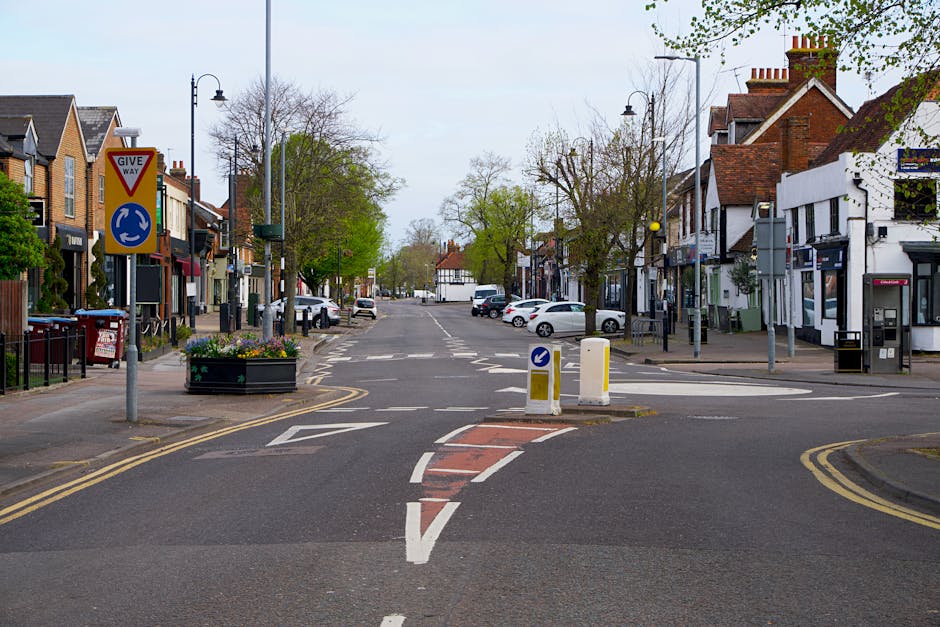
Moving on or near Mitcham High Street can look straightforward on a map, then quickly turn into one of those jobs where every inch matters. Tight stairwells, parked cars, narrow entrances, shared hallways, awkward turns, and the usual London mix of timing pressure can all make a simple move feel surprisingly tricky. This Mitcham High Street removals guide for tight access moves is here to help you plan properly, avoid the common snags, and make the day run with far less stress.
If you are dealing with a compact flat, a back entrance that barely fits a trolley, or a building where the van cannot sit directly outside, the answer is not to panic. It is to plan for the access you actually have, not the access you wish you had. That small shift makes a big difference. And yes, sometimes it is the difference between a calm move and a very long afternoon.
In this guide, you will learn how tight-access removals work, what to check before moving day, which tools and vehicle choices tend to help most, and where people often go wrong. We will also cover practical comparisons, a realistic example, and a checklist you can use straight away.
Table of Contents
- Why tight access matters on Mitcham High Street
- How a tight access move works
- Key benefits and practical advantages
- Who this is for and when it makes sense
- Step-by-step guidance
- Expert tips for better results
- Common mistakes to avoid
- Tools, resources and recommendations
- Law, compliance, standards, or best practice
- Options, methods, or comparison table
- Case study or real-world example
- Practical checklist
- Conclusion
- Frequently asked questions
Why Mitcham High Street removals guide for tight access moves Matters
Tight access changes everything. A move that would be simple with a front drive and a wide hallway can become far more complex when the only loading point is a busy street, a courtyard, or a shared entrance with very little room to manoeuvre. On Mitcham High Street, that often means a move has to be timed carefully and packed in a more disciplined way than a standard house removal.
The main issue is not just space. It is flow. Can the van stop safely? Can furniture be carried without blocking foot traffic? Is there room to turn a sofa at the bottom of the stairs without scraping the wall? Can boxes move efficiently from the property to the vehicle, or will every trip need a short pause and a re-think? These are the questions that decide whether the day feels orderly or chaotic.
To be fair, many people underestimate the impact of a few awkward metres. But those metres matter. A narrow front door, a steep internal staircase, or a parking spot that is just a bit too far away all add time, effort, and risk. For that reason, a tight access move should always be treated as a planning exercise first and a lifting job second.
For moves that involve flats, upper floors, or shared access points, it can also help to look at dedicated options such as flat removals or a flexible man and van approach, especially when the property layout is more compact than average.
How Mitcham High Street removals guide for tight access moves Works
The process is usually simpler when broken down into stages. First, you assess the property access properly. Then you choose the right vehicle size and team size. After that, you plan how items will be carried, loaded, and protected. Finally, you build in enough time for the inevitable little surprises, because there is nearly always one. A locked gate. A neighbour's car. A bed frame that looks fine until it reaches the landing.
A good tight-access move starts before moving day. Photos help. Measurements help. A quick walk-through with a realistic eye helps even more. If the property has a narrow stairwell, low hallway ceiling, or limited kerbside space, the mover needs to know that in advance. That way, the job can be shaped around the access rather than forced through it.
In practice, this means deciding whether to use a smaller van, whether items should be pre-dismantled, and whether loading should happen in stages. Sometimes the best plan is to move fewer items at once. A smaller, more agile vehicle can be a much better fit than a larger lorry where parking and turning are tight. If you are comparing vehicle types, the pages for removal van, moving truck, and removal truck hire are useful starting points for thinking through capacity and practicality.
Another thing people often forget: access affects the packing plan too. If boxes need to be carried down several flights of stairs, over a longer path, or through a busy entrance, they should be packed so they are manageable rather than just full. That is where sensible preparation, and sometimes packing and boxes support, can save a lot of effort on the day.
Key Benefits and Practical Advantages
When you plan a tight access move properly, the benefits are immediate. You reduce the chance of damage, cut down wasted time, and make the whole job feel less frantic. Sounds obvious, but in the middle of a move, obvious things are the first to disappear.
- Less handling risk: carefully planned carries mean fewer bumps, scrapes, and awkward drops.
- Better vehicle choice: you can match the van to the street rather than guessing and hoping.
- Smoother timing: staging the load avoids bottlenecks at doors, stairwells, and kerbsides.
- Lower stress: when everyone knows the plan, the move feels more controlled.
- Cleaner access management: shared entrances and narrow routes are easier to respect.
There is also a practical money-saving angle. A well-planned move can sometimes reduce labour time, avoid unnecessary repeat trips, and prevent damage that would otherwise turn into a headache later. It is not about making the impossible possible. It is about avoiding the expensive little mistakes that creep in when access is ignored.
And if you are moving a whole household rather than just a few pieces, it can be useful to pair tight-access planning with broader home moves support or, for larger properties, experienced house removalists who understand how to work around real-world access limits.
Who This Is For and When It Makes Sense
This guide is for anyone moving from a property where access is awkward, limited, or simply not ideal. That includes first-floor flats, maisonettes, small terraced homes, properties near busy roads, student lets with narrow internal stairs, and small offices tucked into older buildings. If the moving crew cannot pull right up to the door, you are in the tight-access category whether you like the label or not.
It also makes sense if you are moving something unusually bulky or fragile through a restricted space. A piano, for example, changes the whole tone of the job. The same goes for large wardrobes, American-style fridge freezers, or sectional sofas that need dismantling. In those cases, planning the route is only half the battle; protecting the item and the property matters just as much. For specialist items, the page on piano removals is a helpful reference point.
Students, tenants, and people moving on a deadline often benefit from this approach too. Tight access on a shared street can make a same-day move feel even tighter. If you need speed as well as care, same-day removals may be worth considering, though the access plan still needs to be solid. Fast is good. Fast and careless? Not so much.
Small offices in older buildings, meanwhile, often need a more structured plan because stairwells, lift sizes, and loading restrictions can all be part of the picture. In that case, it is sensible to think about office removals or commercial moves with access planning baked in from the start.
Step-by-Step Guidance
1. Start with a proper access check
Measure the obvious things first: door widths, stair turns, ceiling heights, corridor bends, and the distance from the property to the van stopping point. Then look at the less obvious ones. Is there a tight corner at the top of the stairs? A bin store in the way? A gate that only opens halfway? These details matter more than people think.
If possible, take photos and a short video. A quick walk from the street to the room can reveal awkward points that are easy to miss when you are standing still.
2. Choose the right vehicle and crew size
Tight access usually favours a smaller, more manoeuvrable vehicle. The aim is not to maximise size for its own sake. It is to make loading practical. A bigger van can sound efficient on paper, but if it cannot stop legally or safely near the property, it may create more problems than it solves.
For light loads, mixed loads, or awkward urban access, a man with van setup can be a very sensible option. For larger loads, you may still need a bigger vehicle, but only if the access conditions support it.
3. Dismantle what you can
Flat-pack furniture, bed frames, table legs, and some wardrobes are often worth taking apart before moving day. Anything that removes width or height gives you more options in a narrow stairwell. Keep screws, fittings, and small parts in clearly labelled bags. Simple, but very effective.
4. Pack for carrying, not just storing
Boxes for tight-access moves should be firm, balanced, and not overpacked. A heavy box with a poor grip turns into a real nuisance on stairs. Use smaller boxes for books and heavier items, and save larger boxes for lighter goods. If you need help getting the packing right, packing and unpacking services can save time and reduce the risk of bad packing decisions.
5. Protect the route
Hallways, door frames, bannisters, and floors need protection if there is any chance of contact. Moving blankets, floor covers, and corner guards are not overkill in a tight property; they are basic sensible practice. The property should look as good after the move as it did before, ideally better, and nobody wants a little wall gouge as a souvenir.
6. Load in the right order
Heavier items should go in first, with lighter and more fragile items secured after. In a tight access move, good loading order matters because you may not want to keep hunting through the van for one item after another. Make the load efficient. Put the things that will be delivered last near the front, where practical, and keep essential items easy to reach.
7. Allow for pauses and bottlenecks
Sometimes the move slows down because someone needs to pass through, a neighbour appears, or a doorway is just trickier than expected. That is normal. Build a bit of breathing room into the schedule. Tight access moves rarely benefit from unrealistic timing. They benefit from calm pacing and a tidy sequence.
Expert Tips for Better Results
Here is the honest version: most tight-access problems are solved by preparation, not brute strength. That is the unglamorous truth of removals, but it is also why experienced teams do so well.
- Book a survey or share clear photos early. The earlier access issues are spotted, the easier it is to plan around them.
- Keep essential items separate. Documents, keys, chargers, medication, and valuables should travel with you.
- Use colour labels. When space is tight, visual labelling speeds up unloading and reduces mistakes.
- Measure furniture before moving day. A sofa that fits in a room may still fail at the stair landing. Annoying, but common.
- Check parking and stopping points. Even a small loading issue can affect the whole rhythm of the move.
- Have a fallback plan. If the nearest bay is occupied, know where the next workable stopping point is.
A practical little tip from real move days: if you have one item that feels awkward, deal with it first while everyone is fresh. That awkward wardrobe or desk will not improve with time. It will just become more annoying. Better to handle the difficult piece early, then settle into an easier flow.
And if you are unsure whether your move needs a smaller vehicle or a larger one, ask for a price check through pricing and quotes. A proper quote conversation should include the access details, not just the number of boxes.
Common Mistakes to Avoid
Tight-access removals tend to go wrong in a few predictable ways. The good news is that these mistakes are avoidable if you spot them early.
- Assuming the van can park right outside. That assumption is often wrong, especially on busy roads or where space is shared.
- Leaving packing too late. Rushed packing leads to overfilled boxes and awkward carries.
- Forgetting stair measurements. Doors may be fine; the turn on the stairs may not be.
- Choosing vehicle size by habit. Bigger is not always better. Sometimes it is just harder to place safely.
- Ignoring building rules. Shared entrances, lift bookings, and access times can all affect the day.
- Not protecting flooring and corners. Damage tends to happen during the busiest moments.
A lot of these errors come from rushing the planning stage because it feels boring. Fair enough. Planning is not as exciting as the moving day itself. But in removals, boring is often brilliant. Boring planning prevents dramatic problems.
Tools, Resources and Recommendations
You do not need a warehouse full of kit to handle a tight access move. A focused set of tools is usually enough, provided they are the right ones.
| Tool or resource | Why it helps | Best use case |
|---|---|---|
| Measuring tape | Checks doors, turns, and furniture dimensions accurately | Any move with narrow access or bulky furniture |
| Moving blankets | Protects furniture and walls from scuffs | Hallways, staircases, shared entrances |
| Floor protection | Reduces damage to carpets, wood, and vinyl | Wet weather or heavy foot traffic |
| Furniture sliders | Helps reposition heavy items with less friction | Short indoor moves and awkward turns |
| Stacking straps or trolleys | Improves handling and reduces repeated lifts | Boxes, appliances, and mixed loads |
For some moves, storage also plays a role. If access is tight and your completion timing is awkward, temporary storage can reduce pressure. That is especially helpful if you need to stage part of the move or wait for the new property to be fully ready. The page on storage is useful when the move has a few moving parts, literally and otherwise.
If you are moving a smaller number of items, or you want a more flexible load plan, removal services or removals support can be adapted to the access rather than forcing the access to suit the job.
Law, Compliance, Standards, or Best Practice
For tight-access removals, the main compliance issue is usually safe, considerate working rather than anything dramatic. In the UK, best practice means planning work so people, property, and vehicles are managed responsibly. That includes sensible lifting, appropriate vehicle positioning, and avoiding unnecessary obstruction to neighbours or pedestrians.
Health and safety matters here because narrow staircases and repetitive carries increase the chance of strain or accidental contact with walls and furniture. Good practice is to keep loads manageable, communicate clearly, and pause when a route becomes unsafe. If a move feels too tight to handle as planned, the right answer is to adjust the plan rather than force it. Simple as that.
It is also wise to understand how insurance and liability work before moving day. If a mover is handling your belongings in a restricted access environment, you want to know what is covered and what the expectations are. A sensible starting point is the site's insurance and safety information, alongside the health and safety policy and terms and conditions.
If you need reassurance about how a company handles data, payments, or complaints, those details are worth checking too. It is not glamorous, I know, but trust is built in the small print. The relevant pages are payment and security, privacy policy, and complaints procedure. For broader company background, about us gives useful context.
Options, Methods, or Comparison Table
The right move method depends on access, load size, and how much flexibility you have on the day. Here is a simple comparison that may help.
| Method | Best for | Pros | Watch-outs |
|---|---|---|---|
| Small van / man and van | Compact loads, short distances, tight streets | Easier parking, flexible routing, often simpler on narrow access | May need more than one trip for bigger moves |
| Standard removal van | Medium household or mixed loads | Good balance of capacity and manoeuvrability | Still needs decent stopping space |
| Large truck hire | Big house moves, full loads, larger furniture sets | More space in one journey, efficient for bigger inventories | Can be awkward if access is very restricted |
| Storage-supported move | Staged moves, delayed completion, uncertain access timing | More breathing room, less pressure on moving day | Extra coordination needed |
For some readers, the choice is obvious. A small flat on a tight street usually suits a man with van style solution. For others, especially when furniture volume is larger, a more structured plan with the right vehicle and perhaps removal van support makes more sense. The trick is not to choose the biggest option. It is to choose the least awkward one that still fits the job.
Case Study or Real-World Example
Here is a realistic example. A couple moving from an upper-floor flat near Mitcham High Street had a sofa, a bed, a dining table, several boxes of books, and a narrow stairwell with a sharp turn halfway down. The van could not be parked directly outside because of nearby traffic and limited stopping space. On paper, it looked like a slightly irritating move. In practice, it needed careful timing.
The team measured the larger furniture the day before, removed the table legs, wrapped the sofa arms, and used smaller boxes for the books so nobody had to wrestle anything too heavy on the stairs. The van was positioned at the nearest safe point rather than squeezed into a risky spot. Because the route was mapped properly, loading happened in a steady flow and nothing was rushed.
Nothing dramatic happened. Which was the point. The move felt controlled, the walls stayed intact, and the couple avoided the kind of last-minute panic that often comes from guessing. They still had the usual moving-day mess, of course. One mug went missing for half an hour, because that seems to be law. But overall, the day held together nicely.
That is the pattern with tight-access moves: the win is usually not speed, but calm efficiency.
Practical Checklist
Use this checklist the week before moving day and again on the morning itself.
- Measure doors, stairs, hallways, and the route from property to van.
- Take photos of any tight turns, low ceilings, or obstacles.
- Confirm where the vehicle can stop safely and legally.
- Break down furniture that can be dismantled in advance.
- Pack heavy items into smaller boxes.
- Label boxes clearly by room and priority.
- Protect floors, walls, and corners along the route.
- Separate valuables, keys, documents, and essentials.
- Check whether storage is needed if completion timing is uncertain.
- Confirm the booking details, arrival window, and access notes.
If you are moving a smaller household, student flat, or mixed item load, it may also help to review student removals options or furniture removals support, especially if the move is mostly bulky items rather than a full house contents job.
And if there is old furniture you do not want to carry to the new place, look at furniture pick up or furniture removals options so the job does not get cluttered with things you are only half-keeping.
Get a free quote today and see how much you can save.
Conclusion
A tight access move on or around Mitcham High Street does not have to be stressful, but it does have to be planned properly. If you understand the route, choose the right vehicle, pack with carrying in mind, and protect the property on the way through, the whole process becomes much easier to manage.
The main idea is simple: work with the access you have, not the access you wish you had. Once you do that, the move stops feeling like a problem and starts feeling like a sequence. And sequences can be managed. That is where the confidence comes from.
If your move includes awkward stairs, limited parking, bulky furniture, or a short timeline, taking a careful approach now will save effort later. Truth be told, that is usually the whole game. One good plan, one clear route, and a calm hand on the day.
When the boxes are stacked and the last chair is through the door, you will be glad you took the time to do it properly. There is a quiet relief in that, and it is a nice feeling.
Frequently Asked Questions
What counts as a tight access move on Mitcham High Street?
Any move where parking, loading, stair access, hallway width, or turning space is limited can count as tight access. If the van cannot stop close to the property, or furniture has to travel through narrow spaces, it should be planned as a tight access move.
Is a small van always better for tight access?
Not always, but often yes. A smaller van is usually easier to position on a busy street and can be a smarter choice when parking is limited. The best option depends on both access and load size, so it is worth balancing the two rather than assuming bigger is better.
Should I dismantle furniture before the move?
In many tight-access moves, yes. Taking apart bed frames, table legs, and other awkward pieces makes carrying safer and easier. It can also reduce the risk of damage on staircases and narrow turns.
How do I prepare for a narrow stairwell?
Measure the stair width and landing turns, then check whether larger furniture can pass through without snagging. Protect the walls, remove loose items from the route, and pack boxes so they are easy to carry, not overloaded.
Can a removal company help if parking is difficult?
Yes, a good removal team should be able to plan around parking constraints by using the right vehicle and timing the load properly. It is important to share those access details early so the team can prepare realistically.
What if the van cannot stop directly outside the property?
That is common in urban moves. The team may need to use the nearest safe stopping point and carry items a little further. The key is planning the carrying distance in advance and allowing enough time for it.
Do I need storage if my access is tight?
Not always. Storage is useful if your move needs to be split into stages, if completion dates are uncertain, or if you want to reduce pressure on the day. For some people it is a helpful buffer; for others it is unnecessary.
How far in advance should I book a tight access move?
As early as you can. Tight access moves are easier to handle when there is time to assess the route, confirm the vehicle, and plan for any restrictions. Leaving it late tends to create avoidable pressure.
What is the biggest mistake people make with tight access removals?
Assuming the access will be easier on the day than it looks on paper. That single assumption leads to parking problems, awkward carries, and rushed loading. A realistic plan almost always works better.
Are fragile items more at risk in tight access moves?
They can be, because narrow routes increase the chances of bumps or slips. The answer is careful packing, sensible box sizes, and proper protective wrapping. Fragile items need a bit more respect, that is all.
Can student moves also be tight access moves?
Definitely. Many student properties have narrow stairs, shared entrances, or awkward parking nearby. Even a small move can become more complicated if the route is cramped or the building is busy.
What should I tell the mover before moving day?
Tell them about stairs, door widths, parking issues, walking distance to the van, any heavy items, and whether anything needs dismantling. The more accurate the information, the better the plan.
How do I avoid damage to walls and floors?
Use protective coverings, keep the route clear, and make sure items are carried by people who understand tight spaces. Good handling matters more than speed. A careful move is usually the cleanest move.
For anyone planning a tricky move near the High Street, the smartest next step is to check access properly, choose the right vehicle, and ask for a quote that reflects the real route, not just the postcode. A little prep now can make the whole day feel a lot lighter.