Flat removals on London Road Mitcham: what to expect
If you're planning a flat move along London Road in Mitcham, the biggest question is usually not whether you can move-it's what the day will actually feel like. Will the van fit? How long will the stairs take? What if the sofa only just squeezes through the hallway? Flat removals on London Road Mitcham what to expect is a very practical topic, because the answer affects your timing, your budget, and how much stress you carry on the day itself.
This guide walks you through the process in plain English. You'll see how a flat removal usually works, what makes London Road a little different from a standard house move, and how to prepare so the job feels organised rather than chaotic. Truth be told, most moving-day problems are preventable. A bit of planning goes a long way.
Why flat removals on London Road Mitcham matter
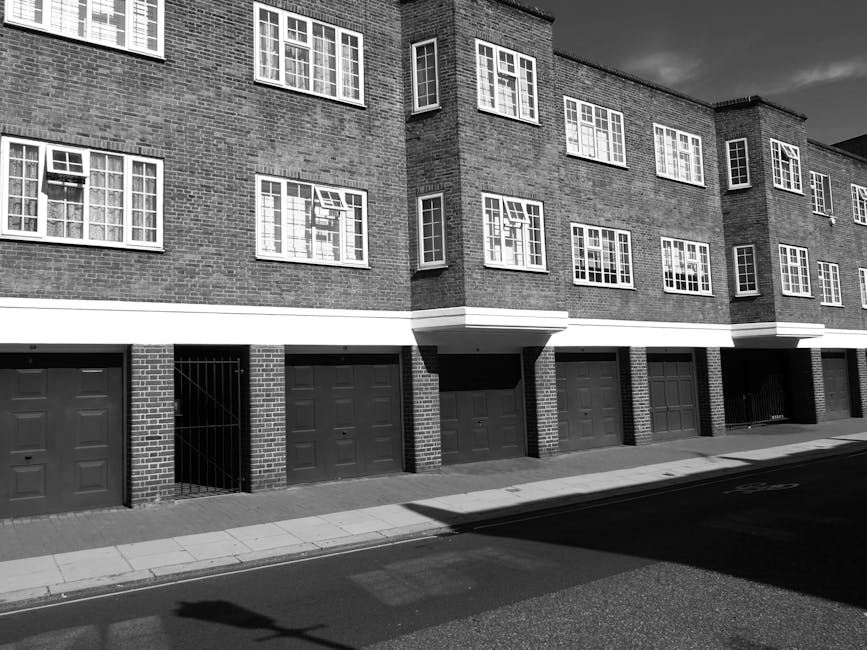
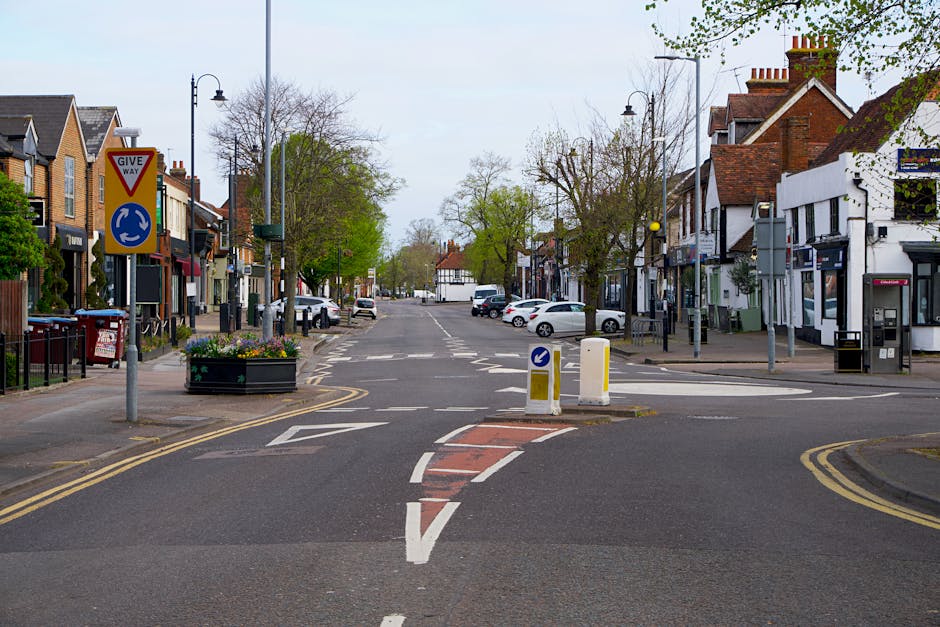
Flat removals can look straightforward from the outside: pack boxes, load van, drive, unload. In real life, flats add layers. There may be stairs, shared entrances, lift bookings, parking limits, narrow corridors, neighbours coming and going, and a building layout that wasn't exactly designed with a three-seater sofa in mind. London Road in Mitcham also has the usual local realities-busy traffic at certain times, tighter roadside parking in places, and the need to work efficiently so the move doesn't drag on.
That is why understanding flat removals on London Road Mitcham what to expect is so useful. It helps you avoid unrealistic assumptions. For example, a first-floor flat with wide access is very different from a top-floor apartment with a long stairwell and a shared parking bay round the corner. Same postcode area, very different experience.
A well-planned flat removal also matters because it protects your belongings and your time. If items are packed properly, labelled clearly, and grouped by room, unloading is much faster. If not, the move can feel like an endless game of "where did we put the kettle?"
For many people, the move is tied to a deadline: tenancy end date, exchange completion, a new job, or student move-in timing. If that sounds familiar, the service needs to be not only careful but dependable. You may also want to look at the wider flat removals service in Mitcham and the broader removal services available locally so you can choose the right level of support.
How flat removals on London Road Mitcham what to expect works
A typical flat move follows a simple sequence, though the details vary depending on access and volume. Most customers start with an enquiry or quote, then share a few essentials: current address, floor level, parking situation, lift availability, moving date, and a rough list of furniture and boxes. That information helps build a realistic plan rather than a guess.
On moving day, the team usually arrives, checks access, and confirms what needs to go first. Heavy items are handled with care, lighter boxes are stacked to keep the van balanced, and fragile items are separated rather than buried under everything else. If you've booked a service that includes loading and unloading only, you'll usually be asked to have everything packed and ready before arrival. There's a useful note on this approach in the site's pack-and-wait guidance.
Some customers need a more flexible arrival time, especially if keys are delayed or a building schedule changes. In those cases, a service that can deliver at the best time for you can reduce a lot of pressure. To be fair, waiting around with a van outside is nobody's favourite part of moving day.
For local flats, it is also common for the job to be planned around parking and traffic. If the van can stop close to the entrance, things move quickly. If it cannot, the team may need extra time to shuttle items safely. That is normal. It's not a problem; it's just reality.
What happens before the van arrives?
Before arrival, you should have boxes sealed, loose items bagged, and furniture cleared of small contents. Wardrobes, shelves and drawers should be emptied unless your mover has said otherwise. If you're unsure about an item, ask in advance. A five-minute question can save a twenty-minute delay later. And yes, this is the stage where people often discover the random drawer full of cables, half-used batteries and one missing remote.
What happens once loading starts?
The team will usually move room by room, starting with larger or more awkward pieces. Sofas, beds, mattresses, wardrobes and appliances usually go first because they create the most challenge in tight hallways. For help with delicate seating, there's also a helpful article on safeguarding your sofa for future use. If you're moving a bed setup, this guide on moving your bed and mattress is worth a look.
What happens at the new flat?
At the destination, items are unloaded in a practical order. Bedrooms first if possible, then kitchen and living areas, though this can change depending on access. Good movers do not just dump everything in the hallway and wish you luck. They place items where they are needed so you can start settling in straight away.
Key benefits and practical advantages
A good flat removal service does more than carry furniture. It reduces disruption, shortens the time you spend moving, and cuts down the risk of injury or damage. That matters especially in flats, where awkward corners and stair turns are part of the job.
Here are the main advantages people notice:
- Less physical strain: no awkward solo lifting of heavy items up and down stairs.
- Faster turnaround: trained movers handle loading in a more efficient sequence.
- Better protection: furniture, appliances and fragile items are packed and moved with care.
- Lower stress: you are not juggling parking, timing and heavy lifting all at once.
- More predictable costs: when access details are clear, quotes are usually more realistic.
There's another advantage people sometimes overlook: better decision-making. Once you know what the day will require, you can choose whether you need a simple man and van setup, a fuller removals team, or even storage support. If you're comparing options, it helps to read the local pages for man with van Mitcham, man and a van Mitcham, and removals in Mitcham to match the service to the move.
And because flat moves often involve furniture with odd shapes or sentimental value, it can be comforting to know the job is being handled by people who understand the actual object, not just the box count. A piano, for example, is a different story altogether, which is why specialist guidance exists for piano removals in Mitcham.
Who this is for and when it makes sense
This kind of service makes sense for a wide range of people, not just families with a fully furnished flat. In practice, it suits anyone who needs help moving out of or into a property where access is a bit tighter than a standard house move. London Road has plenty of properties where that applies.
You may especially benefit if you are:
- moving from a studio or one-bedroom flat with stairs or a small lift;
- relocating as a student and want a quick, budget-aware move;
- upgrading from a flat to a house and have accumulated more furniture than you planned;
- downsizing and need a careful, efficient process;
- moving on a tight deadline, such as a same-day handover;
- handling bulky items like wardrobes, beds, freezers or exercise equipment.
If you are in a rush, there may be a same-day option worth considering. The same-day removals page explains when that approach can work well. For students, the student removals service is often the neatest fit because the volume is usually smaller but the timing is tight.
In our experience, the people who benefit most are the ones who want the job done properly without turning the whole thing into a weekend-long ordeal. Fair enough, really.
Step-by-step guidance
If you want the move to feel manageable, break it into stages. Flat removals become much easier when you stop trying to think about everything at once.
- Check access at both addresses. Note the floor level, lift size, stair width, and where the van can park safely.
- List your items honestly. Include furniture, boxes, appliances, and anything awkward such as mirrors or bikes.
- Declutter first. The less you move, the less you pay and the less you unpack later. A useful starting point is decluttering before your big move.
- Pack by room. Keep similar items together and label sides, not just the top of boxes.
- Protect fragile and upholstered items. Use proper wrapping, blankets or covers where needed.
- Prepare the route. Remove obstacles from hallways and protect floors if you know they scratch easily.
- Confirm timing. Make sure you know when the team is expected, especially if keys or building access are time-sensitive.
- Walk through the property before loading. Check cupboards, balconies, airing cupboards and behind doors. People forget things there all the time. Happens more than you'd think.
If your flat contains difficult items, split the plan into special handling tasks. Packing guidance in packing for your next house move can help with the basics, while why piano moving is not a DIY task is useful for especially delicate or heavy items.
A simple decision point
Ask yourself one question: do you want help with transport only, or with the actual heavy lifting as well? That answer usually determines the service you need. If you're not sure, a quick conversation with the team can clarify it in minutes.
Expert tips for better results
A few small choices make a surprisingly big difference on moving day. These are the sorts of things that separate a smooth move from a fiddly one.
- Label boxes with destination rooms, not just contents. "Kitchen - mugs" is better than "fragile".
- Keep a first-night bag separate. Kettle, toiletries, chargers, documents and a change of clothes should not disappear into a mountain of boxes.
- Take apart beds and large furniture early. Don't leave it until the van is already on the street.
- Measure doorways and tight corners. It sounds obvious, yet this is where many flat moves go sideways.
- Use proper lifting technique. Bend at the knees, keep the load close, and don't twist while carrying. For a deeper look at safe handling, see the science behind kinetic lifting.
- Plan the timing around the building. Quiet hours, lift booking slots, and neighbour traffic can all affect the pace.
- Photograph cable setups and appliance connections. You will thank yourself later. Probably on the first evening when the internet lights start blinking oddly.
Another strong tip: keep delicate items together and clearly separated from general loads. If you need extra help with furniture handling, the furniture removals service is a useful reference point, especially when you have bulky items but not a huge full-house move.
For anyone who prefers to do a lot of the packing themselves, it may help to use the site's practical guidance on packing your items before the movers arrive. It keeps the job tidy and cuts wasteful back-and-forth.
Common mistakes to avoid
Most moving-day headaches are not dramatic disasters. They are small avoidable mistakes that snowball. A delayed key handover, one oversized box, a sofa that was never measured properly, and suddenly you are losing an hour on a Tuesday morning. Not ideal.
Here are the pitfalls worth avoiding:
- Underestimating access issues. A flat on an upper floor can take longer than a ground-floor move with more furniture.
- Packing too late. Last-minute packing usually means poor labels and fragile items mixed together.
- Leaving cupboards full. The small stuff adds up, especially in kitchens and bathrooms.
- Forgetting parking. If the van can't get close, the job slows down.
- Choosing the wrong service level. A basic van service is fine for some moves, but not all.
- Ignoring specialist items. Pianos, large mirrors and some antiques need extra attention.
There is also a habit some people have of treating every box like a mystery parcel. Don't. Clear labelling matters more than clever packing slogans. Simple beats fancy every time.
If you are storing items between moves, it is worth checking storage options in Mitcham early rather than trying to figure it out after everything is already loaded.
Tools, resources and recommendations
You do not need a vanload of equipment to move a flat, but a few basics make the process easier and safer. Good tools also reduce the chance of damage, which is where costs can creep in later.
| Item | Why it helps | Best used for |
|---|---|---|
| Sturdy boxes | Stacks safely and protects contents | Books, kitchenware, general household items |
| Packing tape and labels | Keeps boxes sealed and easy to identify | All packing stages |
| Furniture blankets | Reduces scratches and knocks | Sofas, tables, wardrobes |
| Bubble wrap or paper wrap | Cushions fragile items | Glass, ceramics, ornaments |
| Straps and trolleys | Helps move bulky or heavy items safely | Appliances, drawers, awkward furniture |
For packing materials, the packing and boxes page is a sensible place to start. If you want to avoid moving items twice, the local article on a stress-free home relocation journey adds a few practical pointers that can save time later.
If you care about responsible disposal, the company's recycling and sustainability information is worth reading. It is especially relevant if you are clearing out old furniture, broken appliances or items you no longer want to carry into the new place.
Law, compliance, standards and best practice
Flat removals are not just about speed. They also need to be carried out responsibly. In the UK, professional moving work should follow sensible health and safety practice, proper vehicle use, and clear handling of customer property. You do not need to know every technical detail, but you should expect movers to work carefully and communicate clearly.
Good practice usually includes:
- safe manual handling and team lifting where needed;
- clear communication about access, timings and any delays;
- appropriate handling of fragile or valuable items;
- respect for shared spaces, neighbours and building rules;
- transparent terms around service scope, payment and insurance.
If you want reassurance on those points, it is sensible to review the company's health and safety policy, insurance and safety information, and terms and conditions. Those pages do not remove every risk-that would be unrealistic-but they do show how the service is structured and what standards are expected.
There are also useful trust pages such as the payment and security information and privacy policy, especially if you are sharing contact details and booking information online. That kind of housekeeping might feel dull, but it matters. Quietly, it really does.
If you ever have a concern about service quality, the site's complaints procedure offers a route for resolving issues properly rather than leaving them vague and unresolved.
Options, methods and comparison table
Not every flat move needs the same setup. Some people just need a van and a careful pair of hands. Others need a more hands-on removal team. A quick comparison can help you choose without overthinking it.
| Option | Best for | What to expect | Watch-outs |
|---|---|---|---|
| Man and van | Smaller flat moves, lighter loads, flexible timing | Efficient transport with loading support | May not suit large or complex furniture sets |
| Full flat removals | More furniture, more boxes, more access challenges | More complete moving support from start to finish | Usually needs more planning and clearer access details |
| Same-day removals | Urgent moves and last-minute handovers | Fast response and condensed schedule | Requires flexibility and realistic expectations |
| Storage plus move | Staggered move dates, downsizing or temporary gap between homes | Items are collected, stored and delivered later | Needs good inventory planning |
If you are still deciding, it may help to browse man and van services in Mitcham alongside the broader removal companies page. Sometimes the right answer is the simpler one. Sometimes it isn't. That's moving for you.
Case study or real-world example
Consider a typical two-bedroom flat move on London Road. The property has one main staircase, a parking space that cannot always be guaranteed directly outside, and a mix of furniture: a bed, dining table, sofa, washing machine, and around 25 to 30 boxes. Nothing especially unusual, but enough to make the day busy.
In that kind of move, the first smart step is usually decluttering. Maybe there are clothes that no longer fit, a spare chair that has lived in the corner for three years, or kitchen items you forgot you owned. Removing those before the move shrinks the load in a very practical way. The move becomes cleaner and quicker. You also save yourself from unpacking clutter in the new flat, which is the last thing anyone needs after a long day.
On the day itself, the movers would usually begin with the largest furniture, protect the sofa and bed frame, then load boxes in a sensible order. Fragile kitchen items would stay together. The washer might need a separate plan because of weight and hoses. If the new property is not ready immediately, a storage arrangement could be the bridge between addresses.
A move like this rarely falls apart because of one huge issue. It succeeds because of a hundred small good decisions. Better labels. Clear access. Honest timing. A calm check of the hallway before the van arrives. Simple things, but they add up.
Practical checklist
Use this checklist in the days before the move. It is not fancy, but it works.
- Confirm moving date and time window
- Check parking and access at both addresses
- Measure large furniture and tight doorways
- Book lift slots if the building requires it
- Pack a first-night bag separately
- Label every box by room
- Wrap fragile items carefully
- Empty wardrobes, cupboards and drawers
- Disconnect appliances safely in advance if possible
- Set aside valuables and documents to move personally
- Take meter readings and photos if needed
- Keep phone charged for the moving day
If you want a quick next step, the contact page is the simplest way to ask questions and get the right guidance for your exact flat move. No need to guess.
Conclusion
Flat removals on London Road Mitcham what to expect comes down to preparation, access, and choosing the right level of help. If you understand the building layout, pack with purpose, and match the service to your actual needs, the move becomes far easier to manage. Not effortless-moving rarely is-but definitely more controlled.
The main thing is to think practically. Measure the awkward bits. Label the boxes. Decide what should be moved, stored, or left behind. And if the day feels a little overwhelming, that is normal. Most flat moves do. The good news is that with the right plan, they can still be straightforward.
Get a free quote today and see how much you can save.
When the last box is inside and the kettle is finally found, the whole thing feels a lot more human than stressful. That is the real goal.
Frequently Asked Questions
How long does a flat removal on London Road Mitcham usually take?
It depends on access, the amount of furniture, how well packed everything is, and whether parking is close to the property. A small flat can be fairly quick, while a larger flat with stairs or limited access can take noticeably longer.
Do I need to pack everything before the movers arrive?
Usually yes, unless your booking specifically includes packing help. If you want to prepare your own items, follow the practical guidance on packing your items before collection. It keeps the move faster and reduces confusion on the day.
What if my flat does not have easy parking outside?
That is common, and it is not automatically a problem. The key is to tell the mover in advance so they can plan time and access properly. A short carry from the van to the door is normal in many London moves.
Can I move on the same day if my timetable changes?
Sometimes yes, depending on availability and the size of the move. If your plans are urgent, check the same-day removals option and be clear about your timing window.
What items are most likely to cause problems in a flat move?
Large sofas, beds, wardrobes, washing machines, pianos, and tall mirrors can all be tricky in narrow hallways or stairwells. These items usually need extra planning or specialist handling.
Should I dismantle furniture before the move?
If furniture is bulky or awkward, yes, dismantling it often helps. Beds and some wardrobes are easier to move in parts. If you are unsure, ask before you start taking things apart. That saves time and avoids missing fixings later.
How can I make the move cheaper?
Declutter first, pack well, label clearly, and give accurate access details. The less time the team spends navigating avoidable problems, the more efficient the job tends to be. A smaller load also helps.
Is a man and van service enough for a flat move?
Sometimes yes, especially for smaller flats or lighter loads. For larger moves, more furniture, or more complicated access, a fuller removals service may be a better fit. The best choice depends on what you actually need moved.
What should I keep with me rather than loading into the van?
Keep valuables, passports, keys, essential medication, important documents, chargers and a first-night bag with you. It is much easier than hunting for them after the move.
What if I need temporary storage between flats?
That is fairly common. A gap between move-out and move-in dates can be handled with storage support, which is useful for downsizing or delayed completion dates. Check storage in Mitcham before moving day if you suspect you may need it.
How do I know if the movers are being careful enough?
Look for clear communication, sensible handling of heavy items, proper use of blankets or wrapping for furniture, and a methodical loading process. You should feel that the team is thinking ahead, not just rushing.
Where can I ask more specific questions about my flat move?
The easiest next step is to use the contact page and describe your access, floor level, furniture and timing. The more detail you give, the better the guidance will be.